
DBKL Considers CCTV to Tackle Jaywalking in Kuala Lumpur
With 20 fatal pedestrian crashes last year, DBKL plans to use CCTV for jaywalking enforcement.
Introduction
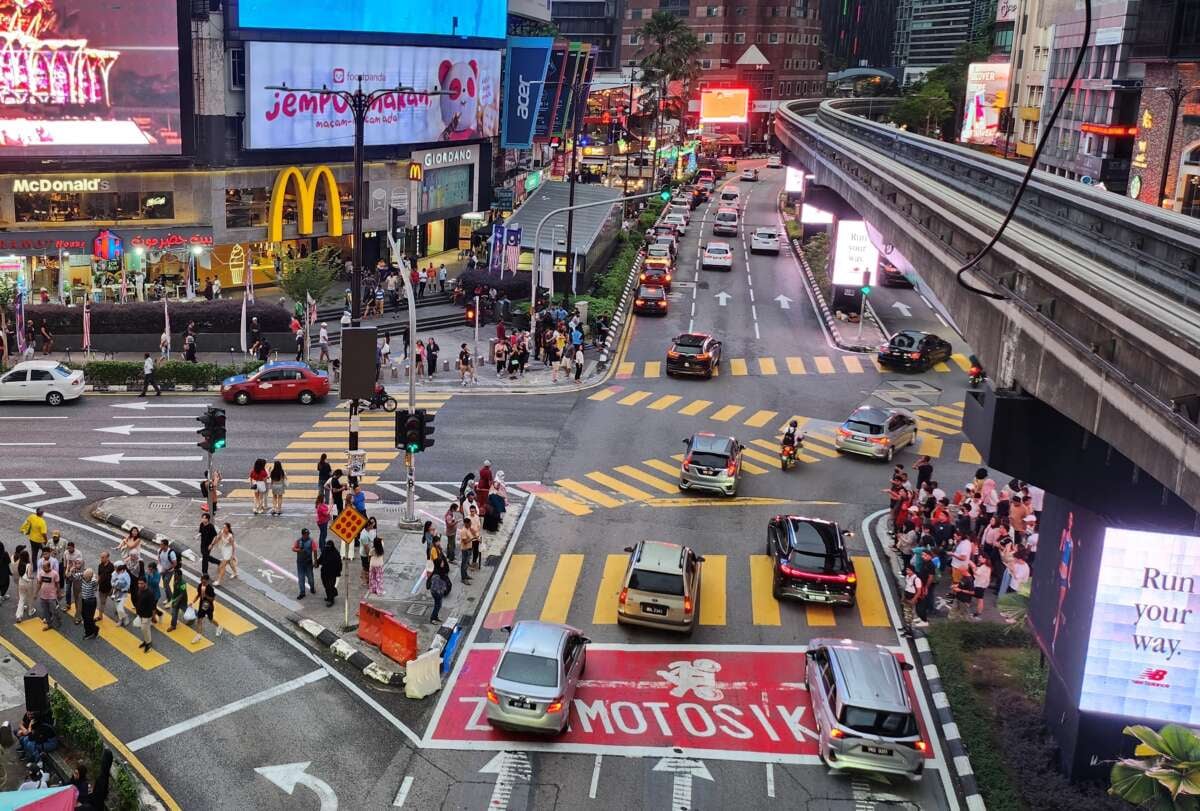
In response to alarming pedestrian safety statistics, Kuala Lumpur City Hall (DBKL) is contemplating the implementation of a system that would utilize CCTV to monitor and penalize jaywalkers. This initiative was announced by Datuk Lo Su Fui, the Deputy Minister in the Prime Minister’s Department (Federal Territories), during a recent session in the Dewan Rakyat.
Safety Concerns and Recent Statistics
The decision to potentially issue summonses through CCTV comes on the heels of a concerning report which indicated that there were 20 fatal pedestrian crashes in Kuala Lumpur last year. The rise in pedestrian fatalities has raised eyebrows among city officials and safety advocates alike, prompting a more stringent approach to traffic enforcement.
According to DBKL, this move aims to enhance pedestrian safety by discouraging jaywalking, a common practice that poses significant risks not only to the individuals involved but also to drivers and other road users. The increase in pedestrian accidents has highlighted the urgent need for measures that protect vulnerable road users in the bustling city.
Potential Impact of CCTV Enforcement
If implemented, the CCTV system would serve as an additional tool for law enforcement in managing pedestrian behaviour. This technology, which is already in use in various capacities across urban areas, could lead to increased compliance with traffic regulations. The introduction of fines for jaywalking may encourage pedestrians to utilise designated crossings, thereby reducing the likelihood of accidents.
However, this proposal raises questions about privacy and the effectiveness of surveillance as a deterrent. Critics of surveillance systems may argue that monitoring pedestrians could infringe upon individual rights. It remains to be seen how DBKL will address these concerns while promoting public safety.
What’s Next?
As DBKL moves forward with discussions regarding the use of CCTV for jaywalking enforcement, it will be essential for the local government to engage with the public and stakeholders. Educating pedestrians about safe crossing practices and the potential penalties for jaywalking will be crucial in fostering a culture of safety.
Furthermore, monitoring the impact of such measures in other cities could provide valuable insights. For Malaysian readers, the outcome of this initiative could signal a shift in how traffic laws are enforced and may lead to broader discussions about pedestrian rights and urban planning in Kuala Lumpur.
In conclusion, while the proposal to use CCTV to curb jaywalking reflects a proactive approach to pedestrian safety, its implementation will require careful consideration of ethical implications and public reception. The focus on reducing pedestrian fatalities is commendable, but it must be balanced with respect for individual privacy and rights.
This article was prepared with AI assistance from the reports cited below and reviewed by Boda8 Media editors.
Sources
Spotted an error? Report an error.
Related Stories
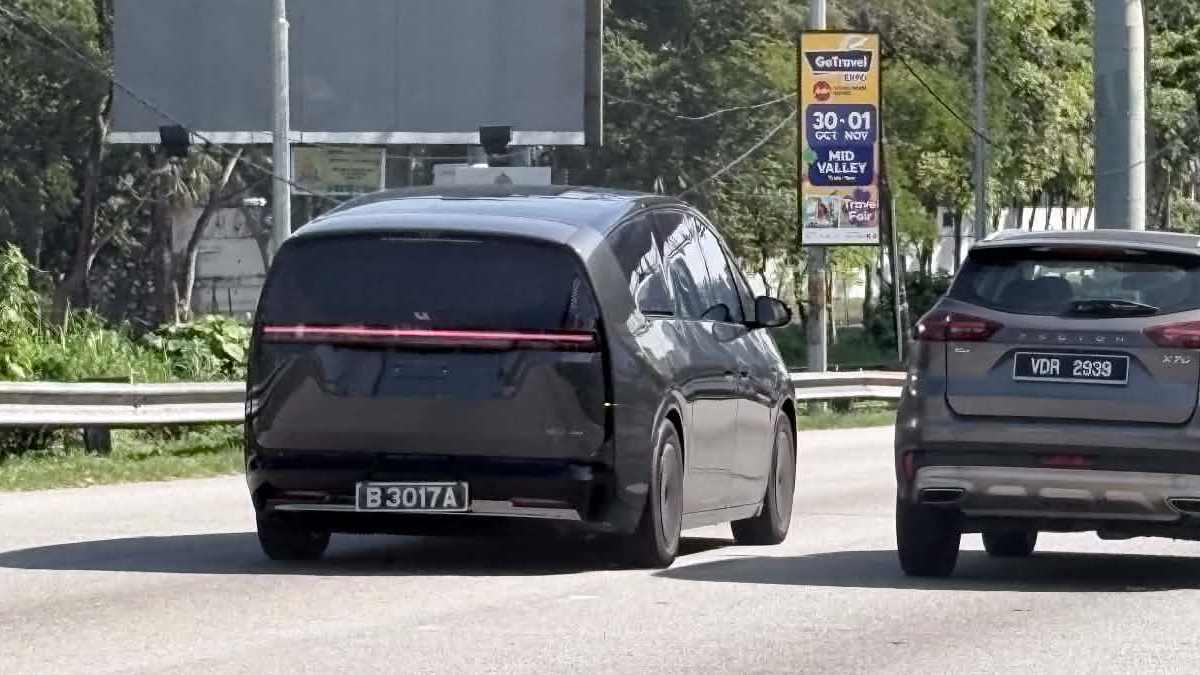
Li Mega Electric MPV Seen Testing in Malaysia, Launch Imminent?
The Li Mega electric MPV from Li Auto has been spotted in Malaysia, hinting at a potential launch.
BODA8 Newsdesk · 28 Nov 2026

BYD Shark 6 to be Malaysia's First CKD Model with Local Assembly
BYD Malaysia and Sime Motors launch local assembly of BYD Shark 6 pickup in Kedah, set for 2027.
BODA8 Newsdesk · 27 Nov 2026

PM Anwar Ibrahim Refuses to Accept Anthony Loke’s Resignation as Transport Minister
Anwar Ibrahim states Anthony Loke remains on leave, keeping the transport minister's position open.
BODA8 Newsdesk · 26 Nov 2026

Carsome Launches Premium Tier for Pre-Owned Luxury Cars in Malaysia
New Carsome Premium tier offers certified luxury vehicles with enhanced checks and after-sales support.
BODA8 Newsdesk · 24 Nov 2026