
Pork Imports in Malaysia Surge Over Fivefold in Five Years
Malaysia's pork imports skyrocketed to 37% of domestic needs, with 181 new importers registered from 11 countries.
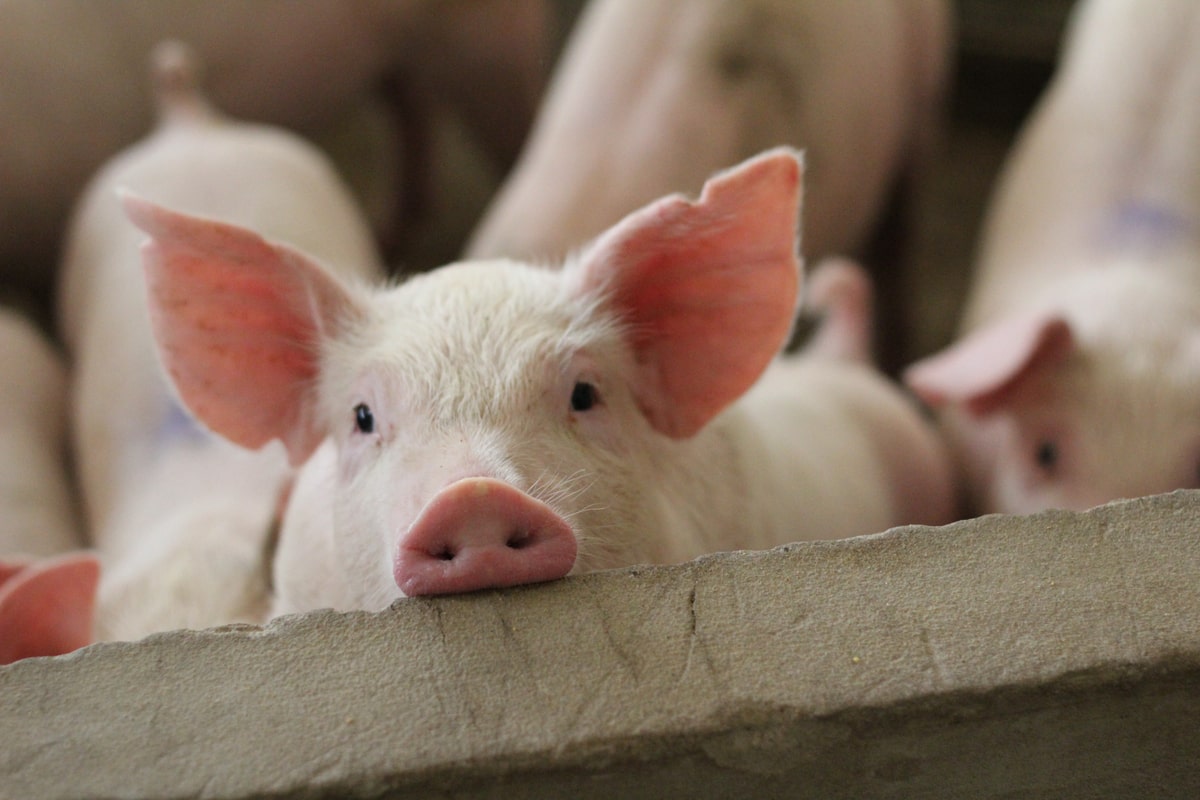
Surge in Pork Imports
Recent reports indicate a dramatic increase in Malaysia's pork imports, which have surged more than fivefold in just five years. This trend raises significant questions about local food production and the implications for consumers and the agricultural sector.
According to CodeBlue, pork imports have risen to meet approximately 37% of the nation's domestic requirements. This spike in imports between 2020 and 2025 highlights a growing reliance on foreign pork supplies to satisfy local demand, a shift that could have various impacts on Malaysian farmers and consumers alike.
New Importer Registrations
The Malaysian government has responded to this rising demand by approving a total of 181 importer registrations from 11 different countries. This move is intended to facilitate a more diverse supply of pork products in the local market. However, it also raises concerns over food sovereignty and the sustainability of domestic pig farming.
The influx of imported pork may benefit consumers through increased availability and potentially lower prices. However, it could pose challenges for local producers who may struggle to compete with cheaper imported products. As the domestic market becomes more saturated with foreign pork, the future of Malaysia's pig farming industry could become uncertain.
Limited Live Pig Exports
In contrast to the burgeoning import market, live pig exports from Malaysia remain limited, primarily focused on Singapore. This discrepancy between imports and exports suggests a lack of balance in the country’s pork trade. While imports are increasing rapidly, the limited opportunities for exporting live pigs could hinder local farmers' growth and profitability.
The government’s approach to regulating imports and exports will be crucial in shaping the future of Malaysia's pork industry. Stakeholders, including farmers, importers, and consumers, will need to adapt to this evolving landscape.
What to Watch Next
As Malaysia continues to navigate its food supply challenges, it will be essential to monitor the pork industry's trajectory. Key areas to watch include potential government initiatives aimed at boosting local production, regulatory changes impacting the import landscape, and consumer responses to the increasing presence of imported pork.
In conclusion, the significant rise in pork imports presents both opportunities and challenges for Malaysia. While it may provide short-term relief for consumer demand, the long-term implications for local agriculture warrant careful consideration and strategic planning.
This article was prepared with AI assistance from the reports cited below and reviewed by Boda8 Media editors.
Sources
Spotted an error? Report an error.
Related Stories

Understanding the Differences Between Original and Generic Medicines
Explore key distinctions between originator drugs and their generic or biosimilar counterparts.
BODA8 Newsdesk · 28 Nov 2026

Men's Health Crisis Highlighted in Recent Lancet Series
The Lancet Series reveals alarming disparities in men's health and care access, urging policy changes.
BODA8 Newsdesk · 27 Nov 2026

The Importance of CPR and AED Awareness for Malaysians
Every Malaysian is urged to learn CPR and AED usage to enhance emergency response readiness.
BODA8 Newsdesk · 26 Nov 2026

Diverse Insurer Rules Challenge Private Hospitals and Specialists in Malaysia
IHH Healthcare's CEO highlights the complexity of insurance empanelment for hospitals and specialists.
BODA8 Newsdesk · 25 Nov 2026