
Hadi Awang Urges Melaka Muslims to Vote Amidst Political Concerns
PAS president warns that low voter turnout among Muslims could lead to non-Muslim dominance.
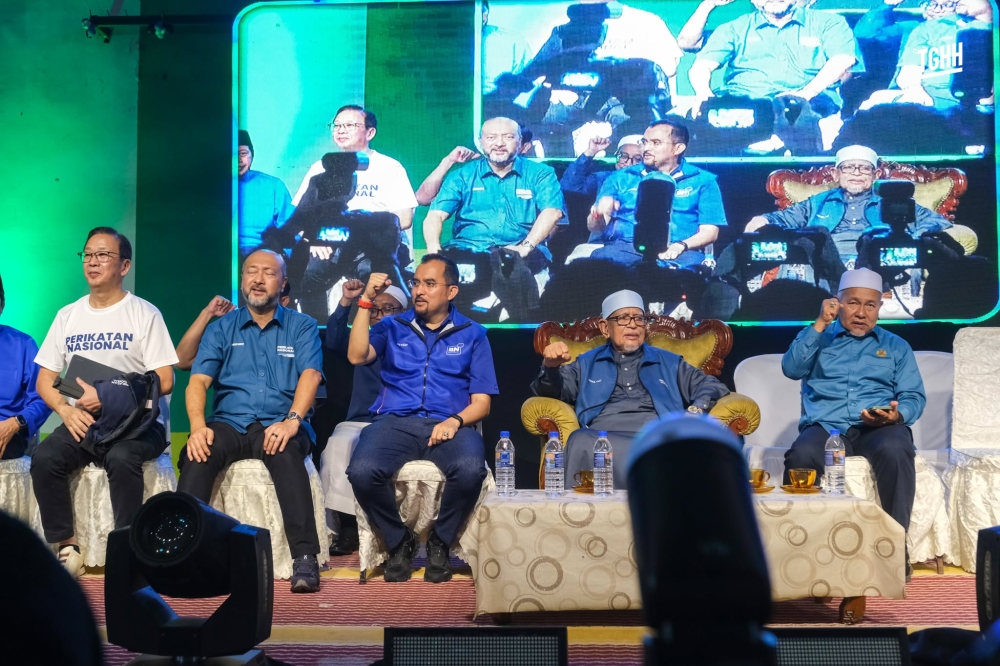
Urgency for Muslim Voter Participation
As Malaysia heads into a critical election period, PAS president Tan Sri Abdul Hadi Awang has made a pointed appeal to Muslim voters in Melaka. With the polls set to open tomorrow, Hadi has urged the Malay-Muslim community to participate actively, cautioning that their absence could empower non-Muslim factions within the political landscape.
Hadi's message, as reported by Malay Mail, reflects a growing concern among some political leaders about voter turnout, particularly among the Malay-Muslim demographic. The call to action highlights the significance of every vote in shaping the future direction of Melaka's governance, especially in a time when political dynamics are evolving rapidly.
The Stakes of Low Voter Turnout
The PAS president's remarks come at a time when there is a palpable tension regarding the balance of power in Malaysia's multi-ethnic society. Hadi warned that a lack of participation from Muslim voters could lead to a scenario where non-Muslims dominate the electoral outcome. This sentiment was echoed in a report by Free Malaysia Today, emphasizing the potential consequences of a low turnout, especially if non-Muslim voters mobilize in larger numbers.
Hadi's appeal underscores a fundamental aspect of Malaysian politics: the critical role of demographic groups in determining electoral success. With Melaka being a diverse state, the interplay between various communities can significantly influence policy-making and representation.
Implications for Future Elections
For Malaysian voters, Hadi's statements serve as a reminder of the importance of civic engagement. The upcoming elections in Melaka are not merely a local affair; they are indicative of broader trends that could ripple through the national political landscape. The outcome of such elections can have lasting implications for governance, resource allocation, and community relations across the country.
As the election day approaches, all eyes will be on voter turnout statistics, particularly among the Malay-Muslim population. Political analysts and citizens alike will be watching to see if Hadi's call resonates with the community, and whether it translates into active participation at the polls.
In conclusion, as Melaka prepares for a pivotal voting day, the discourse surrounding voter participation among Muslim communities highlights the intricate balance of power within Malaysia’s electoral framework. Engaging in the democratic process remains essential for all citizens, as it shapes not only local governance but also the future of Malaysia as a whole.
This article was prepared with AI assistance from the reports cited below and reviewed by Boda8 Media editors.
Sources
Spotted an error? Report an error.
Related Stories

Malaysia's Economy Grows 5.5% in Q3 2026 Driven by Exports and Domestic Spending
The Malaysian economy showed a robust growth of 5.5% in Q3 2026, bolstered by increased exports and strong domestic consumption.
BODA8 Newsdesk · 19 Nov 2026
Think Tank Urges Malaysia to Address Haze Accountability Like Singapore
The Global Institute for Tomorrow calls for action against firms linked to haze in Malaysia.
BODA8 Newsdesk · 18 Nov 2026
Negeri Sembilan Exco Legal Battle Adjourned as Settlement Talks Continue
The High Court in Seremban has postponed a constitutional suit involving sacked Exco members and the state government.
BODA8 Newsdesk · 17 Nov 2026

Sarawak Aims to Become Second-Largest Exporter in Malaysia by 2030
Sarawak's premier envisions a significant boost in the state's export capabilities, narrowing the gap with other leading states.
BODA8 Newsdesk · 16 Nov 2026