
Transforming Monsoon Floods into Sustainable Water Reserves in Malaysia
Exploring how Malaysia can leverage monsoon floods for drought resilience and water management.
Understanding the Monsoon Challenge
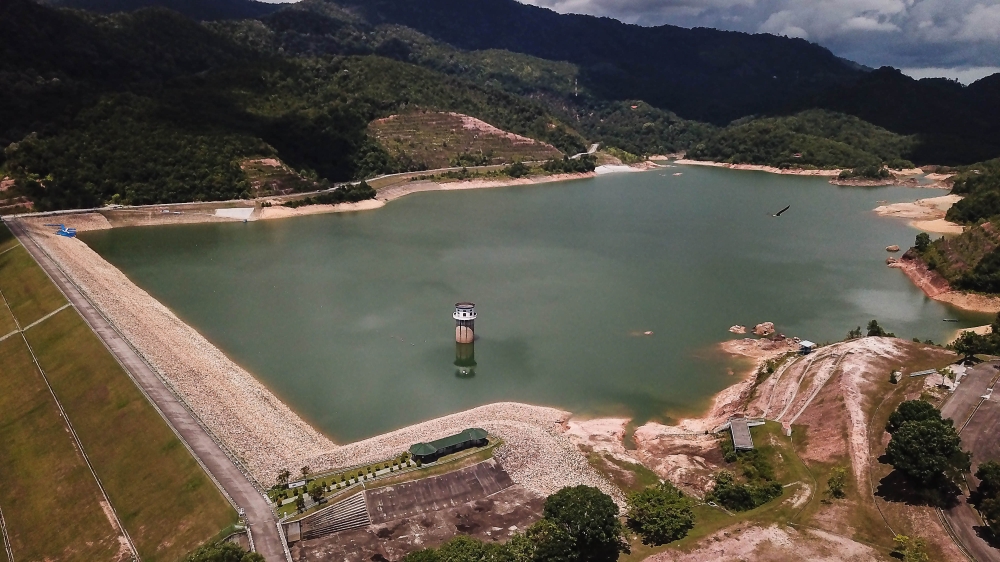
Malaysia faces a significant challenge during the monsoon season, characterized by heavy rainfall that can lead to severe flooding. This annual phenomenon poses risks to communities, infrastructure, and agriculture, creating an urgent need for effective water management strategies. As reported by Malay Mail, the question arises: can these seasonal floods be transformed into sustainable water reserves that could also mitigate drought conditions?
The Potential of Floodwater Harvesting
The idea of harnessing floodwater for future use is not merely a theoretical concept; it represents a potential solution to Malaysia's recurring water scarcity issues. Floodwater harvesting involves capturing excess rainwater during the monsoon season and storing it for use in drier months. This practice could not only reduce the impact of flooding but also create a reliable source of freshwater during periods of drought.
Implementing such a strategy would require significant investment in infrastructure, including the construction of reservoirs and improved drainage systems. The Malaysian government and relevant agencies would need to collaborate to develop a comprehensive plan that addresses the dual challenges of flooding and water scarcity.
Implications for Malaysian Communities
For many communities across Malaysia, especially those in flood-prone areas, the ability to manage monsoon floods effectively could have profound implications. Successfully transforming floodwaters into reserves could enhance water security, especially for rural areas that often rely on inconsistent water supply. Furthermore, this approach could protect vulnerable populations by reducing the risk of flood damage to homes and livelihoods.
Moreover, the agricultural sector, which is highly dependent on water availability, could benefit significantly. Farmers could have access to stored water during dry spells, helping to stabilize crop production and food supply.
What to Watch Next
As Malaysia grapples with climate change and its associated impacts, the exploration of innovative water management strategies will be crucial. Observers should pay attention to government initiatives aimed at floodwater management and any pilot projects that may emerge. The development of policies supporting floodwater harvesting could set a precedent for sustainable water management practices across the region.
In conclusion, while the challenge of flooding during the monsoon season is daunting, it also presents an opportunity for Malaysia to rethink its approach to water management. By transforming these seasonal floods into drought-proof water reserves, the nation could not only safeguard its water supply but also enhance its resilience against the adverse effects of climate change.
This article was prepared with AI assistance from the reports cited below and reviewed by Boda8 Media editors.
Sources
Spotted an error? Report an error.
Related Stories

Malaysia's Economy Grows 5.5% in Q3 2026 Driven by Exports and Domestic Spending
The Malaysian economy showed a robust growth of 5.5% in Q3 2026, bolstered by increased exports and strong domestic consumption.
BODA8 Newsdesk · 19 Nov 2026

Think Tank Urges Malaysia to Address Haze Accountability Like Singapore
The Global Institute for Tomorrow calls for action against firms linked to haze in Malaysia.
BODA8 Newsdesk · 18 Nov 2026
Negeri Sembilan Exco Legal Battle Adjourned as Settlement Talks Continue
The High Court in Seremban has postponed a constitutional suit involving sacked Exco members and the state government.
BODA8 Newsdesk · 17 Nov 2026

Sarawak Aims to Become Second-Largest Exporter in Malaysia by 2030
Sarawak's premier envisions a significant boost in the state's export capabilities, narrowing the gap with other leading states.
BODA8 Newsdesk · 16 Nov 2026