
YTL Power Refutes Allegations of Nvidia GPU Transfer to China
YTL Power denies claims of facilitating Nvidia GPU transfers to China amid US scrutiny.
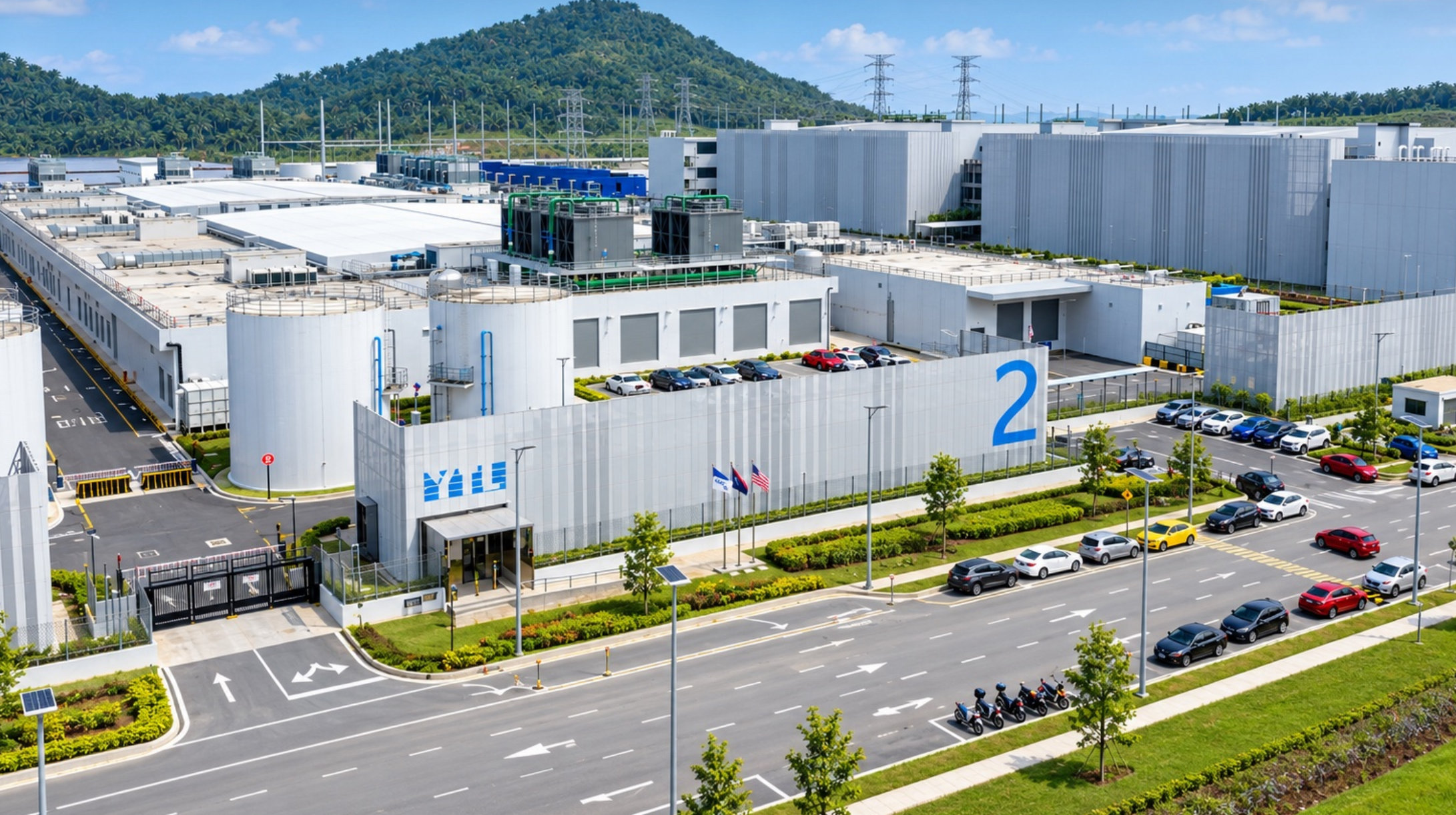
YTL Power's Response to Allegations
YTL Power International Berhad has firmly rejected allegations suggesting that its data centres in Malaysia played a role in aiding the transfer of Nvidia GPUs to Chinese clients. This denial follows a report by The New York Times which implicated YTL's Johor data centre in a scheme involving Chinese tech giant Alibaba.
The allegations come amid increasing scrutiny from the United States over the export of advanced technology, particularly semiconductors, to China. The U.S. government has put in place various restrictions to prevent sensitive technologies from reaching entities in China that could potentially use them for military or other strategic purposes.
Context of the Allegations
The report from The New York Times highlights the complexities and tensions in the global tech supply chain, especially regarding high-performance computing resources like Nvidia’s GPUs. These graphics processing units are critical for numerous applications, including artificial intelligence and machine learning, which are pivotal in modern technological advancements.
YTL Power’s data centre in Johor, which has been mentioned in connection with these allegations, is positioned strategically in the region. The facility is part of Malaysia's growing reputation as a hub for data storage and processing, attracting significant investments in the tech sector.
By denying the allegations, YTL Power aims to reassure stakeholders, including investors and customers, about the integrity of its operations and compliance with international regulations. The company’s statement suggests that its facilities are not involved in any activities that would breach U.S. export controls.
Implications for Malaysia's Tech Landscape
The situation raises important questions about the future of Malaysia's technology sector, especially as it seeks to position itself as a key player in the ASEAN region. The increasing scrutiny of technology transfers to China could impact local companies engaged in data services and tech infrastructure.
As the global landscape becomes more polarized, businesses in Malaysia may need to navigate these challenges carefully, balancing opportunities with compliance and reputational risks. Observers should monitor how the unfolding situation affects Malaysia's attractiveness as a destination for tech investments, particularly in data centre operations.
In the coming months, YTL Power's response will be critical not just for its reputation but also for the broader perception of Malaysia's regulatory environment in the tech industry. Stakeholders will be keen to see if there are further developments from the U.S. regarding export controls and how they might impact local companies.
This article was prepared with AI assistance from the reports cited below and reviewed by Boda8 Media editors.
Sources
Spotted an error? Report an error.
Related Stories

Asus Malaysia Launches Year-End Promotion with Discounts Up to RM850
Asus Malaysia offers significant savings on laptops and desktops during its year-end sale.
BODA8 Newsdesk · 28 Nov 2026

iQoo 16 Series Set to Launch in Malaysia on December 8, 2026
The iQoo 16 series features two models with cutting-edge processors, pre-booking available now.
BODA8 Newsdesk · 27 Nov 2026

Malaysia Airlines Orders Boeing 787 Dreamliners to Modernize Fleet
The airline's shift from Airbus A350s to Boeing 787s is part of a broader modernization strategy.
BODA8 Newsdesk · 26 Nov 2026

Honor Launches New Pad X9b Max Tablet in Malaysia
The Honor Pad X9b Max features a 13-inch display and comes with a Bluetooth keyboard and stylus.
BODA8 Newsdesk · 25 Nov 2026